Perinatal OCD Therapy in Utah
-
Perinatal OCD Therapy in Utah -
What Is Perinatal OCD?
Perinatal OCD (postpartum OCD or pregnancy OCD) is an anxiety disorder that can emerge during pregnancy or after birth. It is characterized by UNWANTED, INTRUSIVE; thoughts/images/urges/memories and compulsive behaviors aimed at reducing anxiety or gaining certainty. Many parents experience intrusive thoughts about accidental harm, contamination, illness, suffocation, or making the “wrong” parenting choice.
Typically presenting as excessive, “what if” thoughts.
These thoughts are often distressing and ego-dystonic — meaning they feel opposite of who you are.
You are not dangerous.
You are not broken.
You are experiencing a treatable anxiety condition.

EXAMPLES of Perinatal OCD
-

Violent or Harm
Intrusive UNWANTED thoughts or images of you or others harming the baby:
What if I drop the baby going down the stairs?
What if the baby drowns during bath time?
What if I hit or hurt my baby?
What if I cause a miscarriage?
What if my baby dies of SIDS?
Parents may engage in compulsive behaviors such as:
Repeatedly checking if the baby is breathing or alive
Seeking reassurance from partners, family, or online searches
Mentally reviewing past actions to make sure nothing harmful happened
Excessive monitoring or safety behaviors
Possible Avoidant Behaviors:
Avoiding sharp objects or household items out of fear of losing control
Avoiding being alone with the baby
Avoiding bathing the baby or certain caregiving tasks
-

Contamination
Intrusive UNWANTED thoughts and fears related to the cleanliness and safety of their environment for the baby.
Common examples include intrusive thoughts such as:
What if the baby items aren’t clean enough?
What if I pass germs or illness to my baby?
What if baby gets sick and end up with x,y,z?
Parents may engage in compulsive behaviors such as:
Excessively sanitizing or repeatedly washing pump parts
Excessively wiping down baby items or toys
Rewashing baby clothes multiple times
Repeatedly cleaning or disinfecting surfaces
-

Ordering and Arranging
Intrusive UNWANTED discomfort or anxiety when objects are not arranged or completed “just right”.
Common experiences may include:
Feeling a strong need for baby-related items (bottles, diapers, clothes, nursery items) to be arranged in a particular order
Distress or anxiety when things are not organized or placed “correctly”
Repeating actions or routines until they feel “just right” or complete
Possible Compulsive Behaviors
Rearranging baby items repeatedly until they feel correct
Restarting tasks or routines if something feels off
Repeating actions (folding, organizing, checking items) multiple times
Spending excessive time organizing nursery or baby supplies
Feeling unable to move on with tasks until things feel “just right”
-

Sexual
Intrusive, unwanted sexual thoughts or fears related to their baby. These thoughts can feel deeply disturbing and may cause intense shame, guilt, or fear about what the thoughts might mean.
Common intrusive thoughts may include:
Did I wipe my baby too long? Did that mean I enjoyed it?
What if I’m enjoying seeing my baby naked during caregiving?
What if someone else molests my baby?
What if these thoughts mean I’m a bad person or a pervert?
Possible Compulsive Behaviors
Seeking reassurance about whether their thoughts mean something about them
Mentally reviewing caregiving moments to check if anything inappropriate happened
Excessive monitoring of their thoughts or bodily reactions
Repeatedly researching or checking online for reassurance about intrusive thoughts
Possible Avoidant Behavior
Avoiding diaper changes, bathing, or other caregiving tasks or situations where the baby might be undressed.
-

Hoarding
Intense anxiety about the possibility of not having enough baby-related items or resources. This fear can lead to urges to save, collect, or hold onto items in order to prevent something bad from happening.
Common intrusive thoughts may include:
What if I don’t have enough supplies and my baby needs them?
What if I throw this away and end up needing it later?
What if getting rid of this means I’m being irresponsible or neglectful?
What if something happens and I regret not keeping it?
Possible Compulsive Behaviors
Collecting or purchasing excessive amounts of baby-related items
Difficulty discarding baby supplies, clothes, or equipment even when no longer needed
Holding onto items “just in case” they may be needed later
Feeling significant distress when considering donating or throwing items away
Why Reassurance and Checking Make OCD Worse
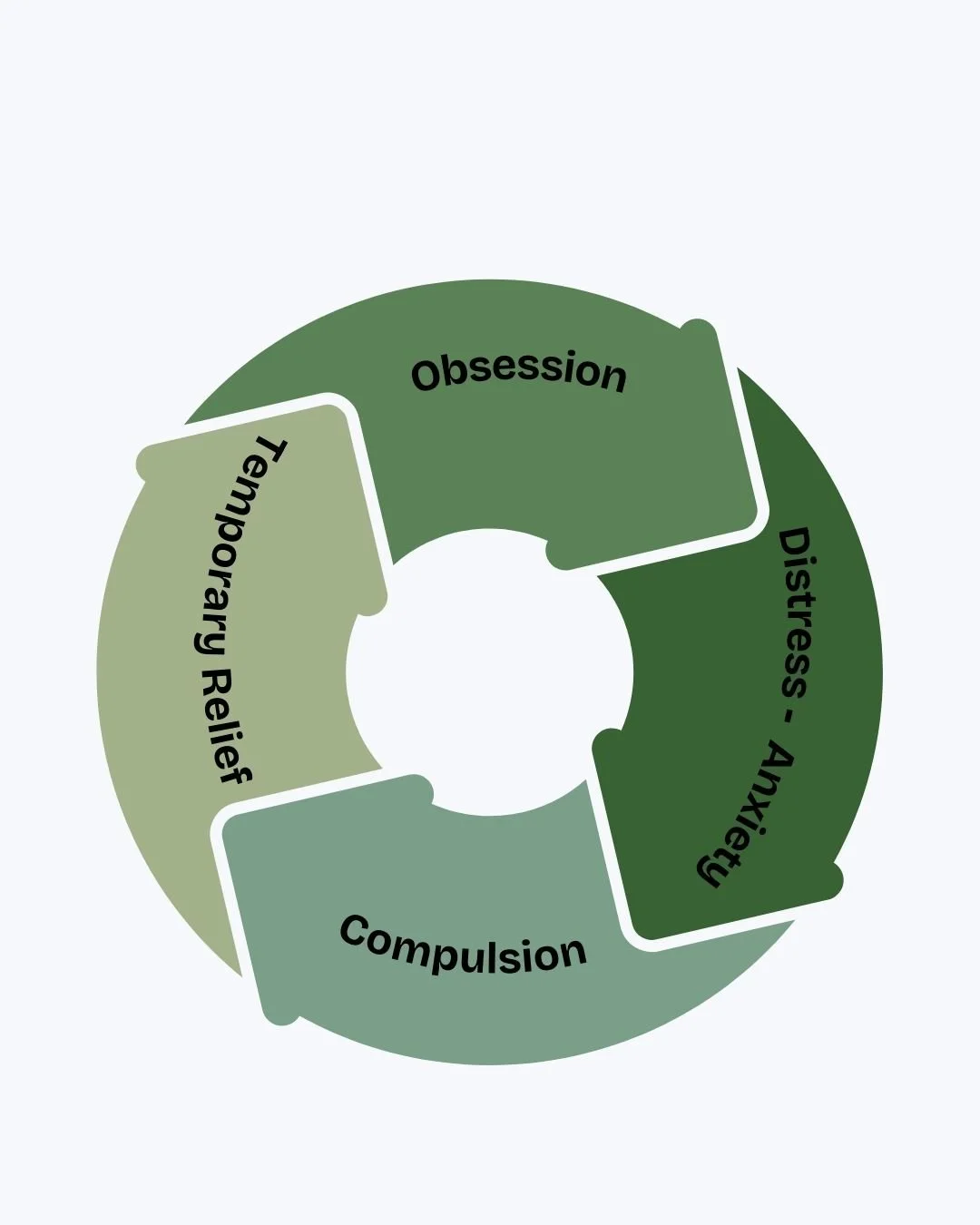
When anxiety spikes, the natural instinct is to check, Google, replay, or ask for reassurance.
And it works… briefly.
You feel temporary relief.
But that relief teaches your brain that the only way to feel safe is to engage in the compulsion.
This strengthens OCD over time.
In therapy, we work to interrupt that cycle — not by forcing fear, but by gradually building tolerance for uncertainty in a structured and compassionate way.
Contact Betty to schedule a FREE consultation TODAY!